

nunc est bibendum
time for a drink, Roman-style

nunc est bibendum
So wrote the poet Horace and if anyone knew when the time for drinking should be, it would be him. Throw a stone at his collection of odes, and the odds are good that you’ll hit a poem with wine in it. Horace is good at celebrating, and wines thread through his poems, their names a poetry all of their own - Falernian, Mamertine, Calenian, Methymnaeum.
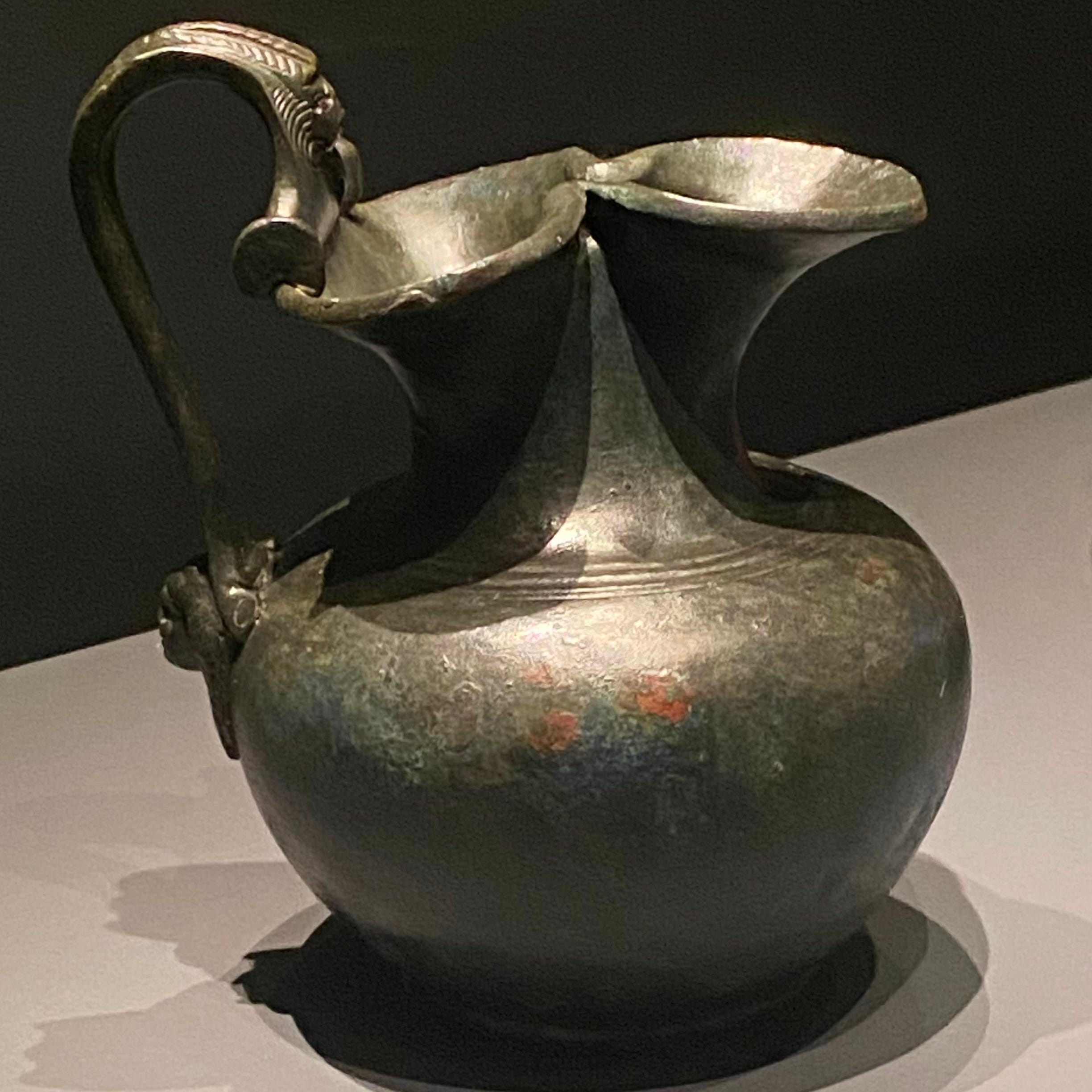
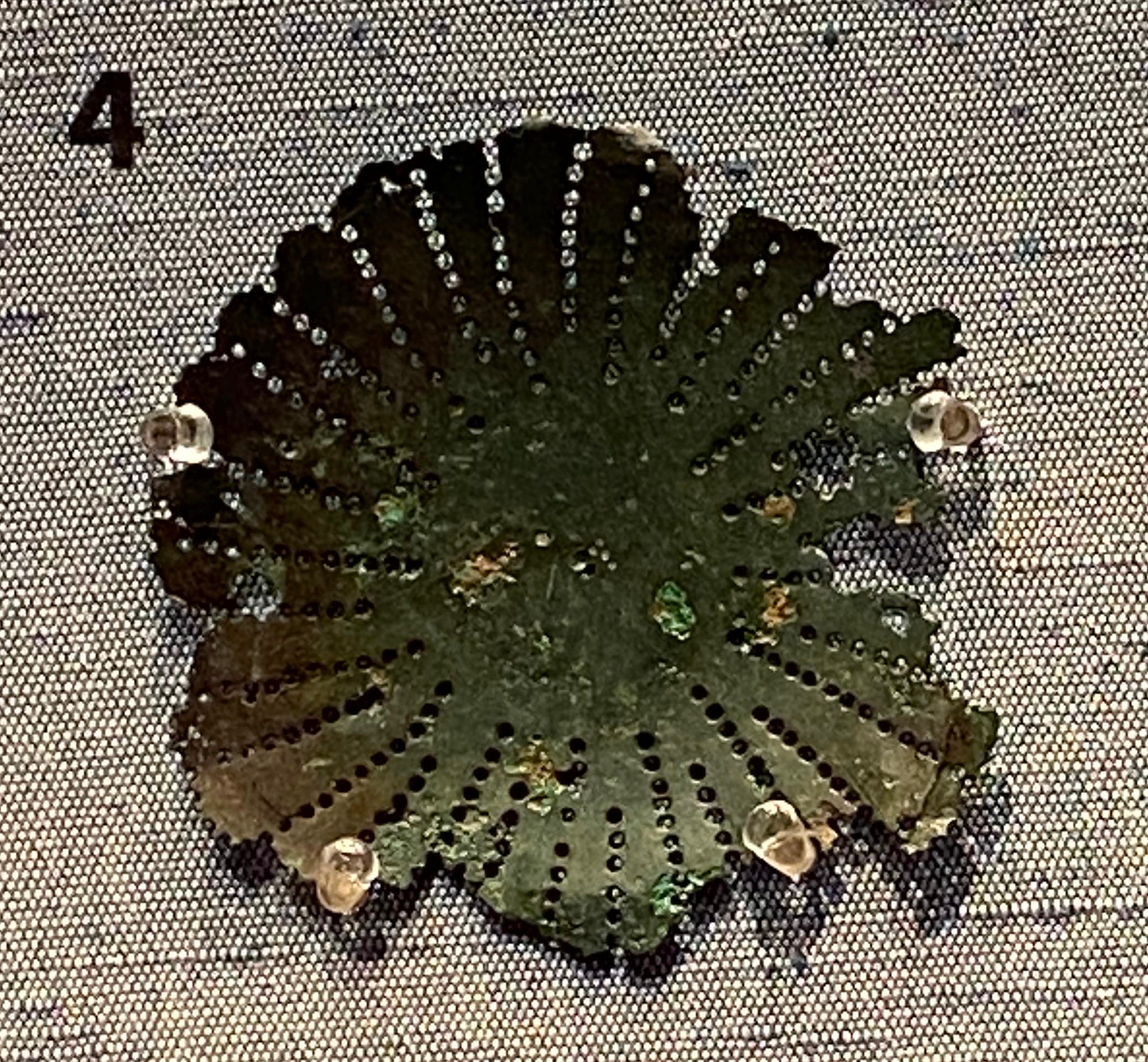
Less poetic would be the look on the face of a modern wine drinker on sampling Horace’s drink, for tastes have changed. Hugh Johnson in his “History of Wine” breaks the bad news - the Golden Age of Rome liked its wine sweet and diluted with water. Warm water. Sometimes, even, with sea-water. Honey wine was common, spiced wine everywhere. I bought some fennel and mastic but my courage failed me. I just couldn’t do it, not even to one of Tesco’s cheapest. Fascinating, but again untried by me was picatum, a wine with a hint of pitch to it, maybe from the way the wine-jar was sealed with pitch. A quick glance through Pliny the Elder and it turns out that some people put lime (as in powdered stone, not the fruit) in wine. Why, one can only imagine. P the E does not approve, thank all the gods. And fortunately, there were wine strainers like the one below to make sure you got rid of the assorted grot - pitch, lime - in your wine.
The cookery book that comes down to us as being the work of chef Apicius recommends that you add pepper to your honey wine, and there is even a recipe for wormwood wine, something which sounds so horrible I shan’t tell you anything else about it. But I did try Apicius’ recipe for using rose petals to flavor wine….
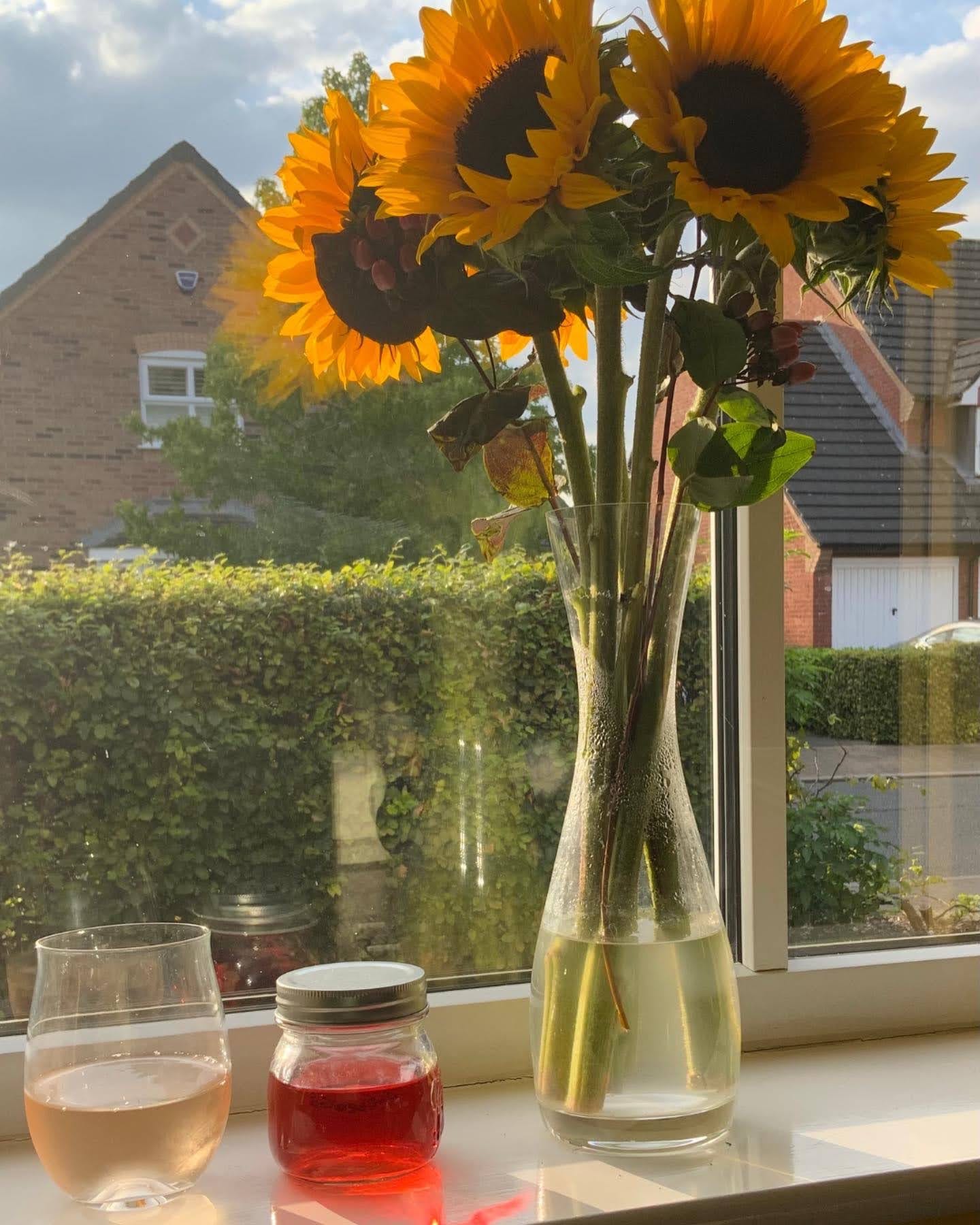
It was horrible. I made the mistake of choosing a dry wine to start with and adding a small muslin bag of dried rose petals did nothing for it. And took days and days.
Here is my translation of this recipe from Apicius which is written so beautifully that in translation it becomes a “found” poem:
The tips of rose petals, with their pale bases torn off,
sewn with linen and plunged into wine.
Seven days in wine.
After seven days lift the rose out of the wine,
and replace with fresh,
allowing the new petals to rest in the wine.
Seven days in wine.
Remove the rose.
After a third time,
(seven days in wine)
take out the rose and strain the wine.
When you come to drink, plump out the rosiness with honey.
Take care to pick the rose when fresh and dry of dew.
PS. You can do the same with violets.
I strongly recommend that you do not try any of these strange concoctions.
(A version of this first appeared several years ago in Alistair Forrest’s newsletter, Not in the Script.)
I've made honey wine (isn't that what mead is?) and it's delicious. English Heritage sell it and I buy theirs because I don't make my own wine these days.
Greek retsina isn't made with pitch but might as well be. I believe the flavour is supposed to be pine resin. Apparently some people like it, but I've never met any of them
What a beautiful translation of the recipe for rose wine -- even if the wine itself was unpalatable! I'm curious about the pitcher from Leeds with two spouts. Is one of them to pour wine into and the other for water?